It's not a vulnerability until the money moves
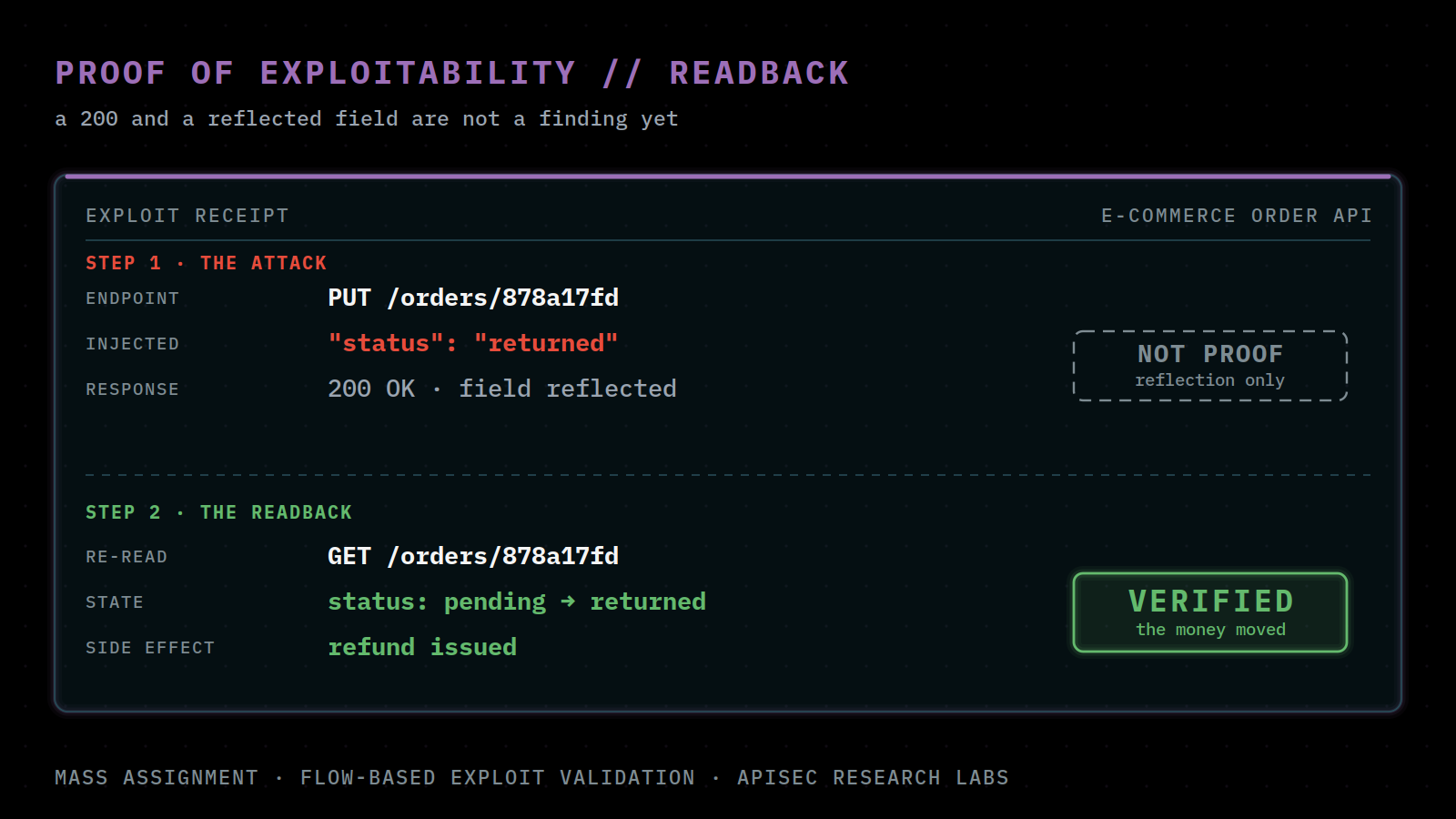
Proof of exploitability, or it didn't happen
One of the most pervasive problems in cybersecurity is false positives. Organisations receive dozens of bogus vulnerability reports about their websites every day, and security teams burn hours trudging through the noise that automated scanners generate. Worse, CISOs can't prioritise what actually matters, because a false positive is so often hard to tell apart from a real finding.
How did we go so wrong? The ingredient missing from a false positive is proof of exploitability, and a rigorous one at that. Proof of exploitability, also called chain-of-attack proof, is one of the most important elements of any vulnerability report. Without it, a penetration testing report isn't worth your money. Reliable bug bounty platforms like HackerOne place heavy emphasis on proving a vulnerability is exploitable; without that ingredient, a report simply doesn't have a case.
